Greenford wedding bouquet case study insider lessons
Posted on 11/10/2026
If you are planning a wedding in Greenford, the bouquet is one of those details that looks simple right up until you are staring at colour swatches, dress fabric, delivery timing, and the big question: what actually works on the day? A proper Greenford wedding bouquet case study gives you more than pretty pictures. It shows the practical decisions behind the flowers, the compromises that save stress, and the small details that make a bouquet feel personal rather than generic. In this guide, we break down Greenford wedding bouquet case study insider lessons in a way that is useful whether you are choosing a bridal bouquet, matching bridesmaid flowers, or trying to keep everything elegant without overspending. Let's face it, weddings move fast. Good floral planning helps you stay calm when everything else is a bit of a blur.
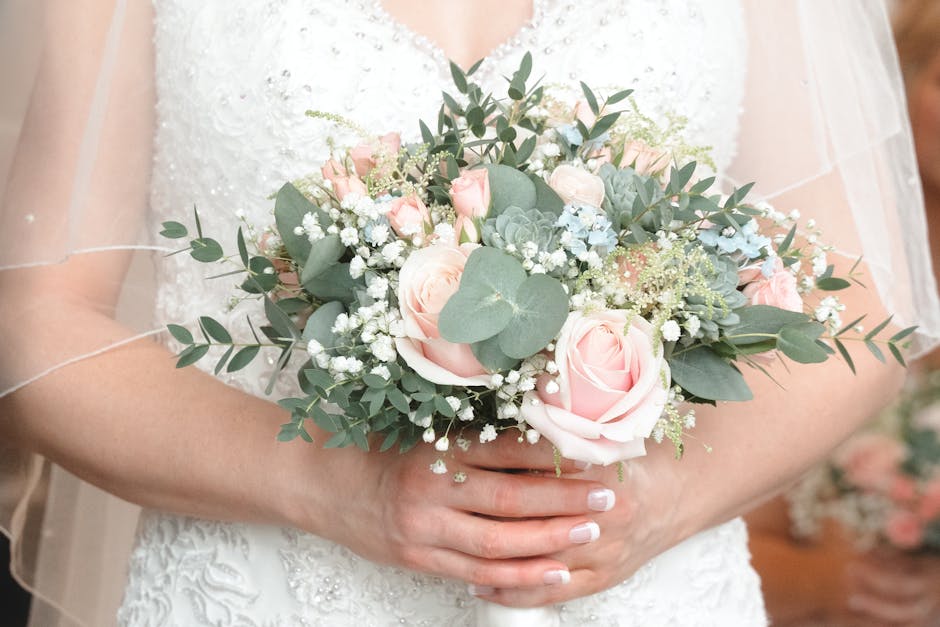
Table of Contents
- Why Greenford wedding bouquet case study insider lessons Matters
- How Greenford wedding bouquet case study insider lessons Works
- Key Benefits and Practical Advantages
- Who This Is For and When It Makes Sense
- Step-by-Step Guidance
- Expert Tips for Better Results
- Common Mistakes to Avoid
- Tools, Resources and Recommendations
- Law, Compliance, Standards, or Best Practice
- Options, Methods, or Comparison Table
- Case Study or Real-World Example
- Practical Checklist
- Conclusion
- Frequently Asked Questions
Why Greenford wedding bouquet case study insider lessons Matters
Wedding flowers are not just decoration. They influence the tone of the day, how polished your photos look, and how smoothly the morning runs. A bouquet that arrives late, clashes with the dress, or feels too heavy to hold for a full ceremony can become one of those tiny annoyances that you remember for all the wrong reasons.
That is why a case study approach matters. Instead of guessing, you learn from real planning decisions: which flower types held up in transit, which colour palette looked clean in natural daylight, and which bouquet shapes worked best with the dress silhouette. Those are the insider lessons that save time and awkward rethinking.
Greenford adds its own practical angle. Local weddings often involve a mix of church ceremonies, registry offices, function rooms, hotel suites, and family homes. Each setting changes the floral brief slightly. A bouquet that looks graceful in a bright room near morning light may read very differently under warm indoor lighting later in the day. Small thing, but it matters.
Key point: a good bouquet is not only beautiful; it is usable, transportable, and consistent with the rest of the wedding story.
How Greenford wedding bouquet case study insider lessons Works
The simplest way to understand this topic is to think of the bouquet as a design problem with a few moving parts. You are balancing style, season, budget, durability, and the practicalities of the wedding timeline. The case study method looks at how those choices interact in the real world, not just on a mood board.
In practice, the process usually follows a pattern:
- Set the style direction. Decide whether the look is classic, romantic, modern, rustic, luxe, or minimal.
- Choose a palette. Colours should work with the dress, the venue, and the overall wedding flowers.
- Select suitable blooms. Some flowers travel better than others, and some hold shape longer in warm conditions.
- Match the bouquet scale. A bouquet should complement the person carrying it, not overwhelm them.
- Coordinate with other florals. Bridesmaid bouquets, buttonholes, table arrangements, and ceremony flowers should feel related.
- Plan delivery and handling. Timing matters more than people expect. A bouquet that sits too long in a warm room can wilt before the first photograph.
That is the backbone. But the lesson part comes from noticing what happened at each step. For example, a more compact bouquet may photograph better in a crowded room, while a trailing design can look stunning in full-length portraits but be awkward during the vows. Both can be right; it depends on the wedding day shape.
To be fair, the best bouquet decisions often come from reducing drama. The less you have to rescue on the day, the better.
Key Benefits and Practical Advantages
There are real advantages to approaching bridal flowers through a case study lens rather than choosing something because it looked nice on its own. The bouquet becomes part of a working system, and that changes the quality of your decisions.
- Better fit with the dress: You can match bouquet size, colour, and texture to the dress neckline and fabric weight.
- Less stress on the day: A bouquet planned with timing and handling in mind is less likely to disappoint.
- Cleaner photography: Balanced colour choices and sensible proportions tend to look better in both close-up and wide shots.
- Smarter spending: You can focus budget on visible impact instead of overspending on blooms that do not hold up well.
- More unity across the wedding: The bridal bouquet can quietly tie together bridesmaid bouquets, buttonholes, and table pieces.
- More flexibility: When you understand what makes a bouquet work, it becomes easier to adapt if a flower is unavailable or the budget changes.
There is also a confidence benefit. Once you have a clear framework, you stop second-guessing every choice. You start recognising what is essential and what is just noise. Weddings throw enough noise at you already.
One line that comes up again and again in planning is this: the most successful bouquets tend to be the ones that look effortless. Effortless is not accidental. It is planned.
Who This Is For and When It Makes Sense
This topic is especially useful if you are in one of these situations:
- You are planning a wedding in Greenford or nearby and want practical floral guidance.
- You want a bouquet that feels elegant but not overdone.
- You are comparing different bouquet styles and need a clearer way to choose.
- You are working to a budget and need to understand where to spend and where to simplify.
- You want matching wedding flowers across the ceremony and reception without everything becoming matchy-matchy.
- You are helping a friend, sibling, or client make floral decisions and need a grounded reference point.
It also makes sense when you want something local and convenient. If you are comparing options from a trusted florist in Greenford or checking broader wedding ranges like wedding flowers in Greenford, a case-study mindset helps you ask better questions. Instead of "What looks pretty?", you start asking "What will still look good after travel, photos, and a full ceremony?" Much better question, honestly.
This is also for couples who like the bouquet to feel personal. A bouquet can reflect a mood, a family tradition, or a favourite flower without turning into a complicated design puzzle. You just need the right balance.
Step-by-Step Guidance
If you want to make this process manageable, keep it simple and work from the ground up. A bouquet that looks effortless usually comes from a steady sequence of decisions.
1. Start with the wedding mood
Before you pick a single stem, define the mood. Soft and romantic? Crisp and modern? Luxurious and dramatic? The mood tells you what direction to take. A calm palette suits many Greenford venues, especially when rooms already have strong decor or warm lighting.
2. Look at the dress first
The bouquet should support the dress, not fight with it. A structured satin gown usually works differently from a lace or chiffon dress. If the dress has a lot of detail, a simpler bouquet can be the smarter choice. If the dress is clean and minimal, a bouquet with texture can add welcome interest.
3. Decide the bouquet shape
Round bouquets feel classic. Looser hand-tied arrangements feel softer and more natural. Cascading designs create movement and drama, but they can be more demanding to carry. The right shape depends on posture, comfort, and how formal the event feels.
4. Choose flowers with staying power
Not every bloom behaves the same way. Some flowers hold structure well, while others need more careful handling. If the day involves travel, photos, and a warm reception room, durability matters. This is where a florist's experience really earns its keep.
5. Build the colour palette carefully
Neutral whites, blush pinks, and soft greens remain popular because they are versatile, but they are not the only safe choice. Deep reds, purples, and mixed-colour bouquets can work beautifully when the rest of the styling is controlled. The trick is to repeat colour thoughtfully elsewhere in the wedding, maybe in buttonholes or table flowers, so it feels intentional.
6. Match the supporting flowers
Bridesmaid bouquets, buttonholes, and ceremony florals should echo the bouquet without copying it exactly. You can see this approach reflected in ranges such as bridal bouquets, bridesmaid bouquets, and wedding buttonholes. That kind of coordination keeps the visual story neat.
7. Plan the handover and storage
Ask where the bouquet will be stored before the ceremony and who will receive it. A bouquet should not be left near heaters, full sun, or a busy corner where someone keeps moving it around. It sounds obvious, but on wedding mornings obvious things are often the first to vanish. A cool room, a clear vase, and one named person to manage the flowers can prevent a lot of fuss.
8. Check the bouquet in natural light
If possible, review the bouquet in daylight or near a window. Colours that look perfect under indoor lighting can shift in photographs or outside. This is especially useful if you are using mixed shades rather than a single colour family.
Expert Tips for Better Results
Here are the practical lessons that tend to make the biggest difference, especially when the day is busy and the margin for error is thin.
- Choose one main hero flower. It gives the bouquet a focal point and prevents the design from becoming visually messy.
- Use texture sparingly but deliberately. A bit of greenery or a textured bloom adds depth. Too much and the bouquet starts to look crowded.
- Keep scent in mind. Strongly scented flowers can be lovely, but in enclosed spaces they can become a bit much. Not always, but sometimes.
- Think about grip. If the bouquet is too wide, too heavy, or awkwardly tied, it affects how comfortable you look in photos and in person.
- Ask for a backup plan. Seasonal flowers can shift. A good florist should be able to suggest alternatives that preserve the overall feel.
- Use contrast carefully. One darker bloom can sharpen a soft bouquet. One pale bloom can soften a bold palette. Small changes, big difference.
A tiny but important tip: if you are wearing a very detailed dress, hold the bouquet slightly lower during portraits so the pattern is not hidden. Such a simple thing, yet people miss it all the time.
And yes, sometimes the best advice is boring advice. Keep stems secure, keep flowers cool, and keep the design clean. Boring can be beautiful. Boring also photographs well.
Common Mistakes to Avoid
Most bouquet problems are not dramatic. They are just avoidable. That is the annoying part. The good news is that once you know the common traps, you can sidestep them without much effort.
- Choosing style before function: A bouquet can look lovely on a screen and still be awkward to carry.
- Ignoring the dress silhouette: Tall bouquets, for example, may compete with slim lines or intricate bodices.
- Overloading the bouquet with too many colours: More colours do not automatically mean more elegance.
- Forgetting transport conditions: A bouquet moving from shop to car to venue needs resilience.
- Not thinking about timing: If the flowers arrive too early, they may sit around longer than ideal.
- Matching everything too literally: The bouquet and bridesmaid flowers should relate, not clone each other.
- Leaving no room for substitutions: Seasonal availability can change, especially if you want specific blooms at short notice.
One more mistake, and it is a big one: assuming a beautiful bouquet will fix a weak overall floral plan. It will not. The bouquet should sit inside a bigger visual system. That is what makes the whole day feel considered rather than patched together.
Tools, Resources and Recommendations
You do not need a huge toolkit to plan wedding flowers well. What you do need is a clear brief and a few practical reference points.
Useful planning items:
- Photos of the dress, venue, and suit colours
- A rough guest and wedding party list
- Notes on the ceremony time and reception location
- Any allergy concerns or scent preferences
- Budget priorities ranked from most to least important
Helpful product categories to review:
- wedding collection options for a cohesive look
- bridal bouquet styles for the main design direction
- bridesmaid bouquet styles to keep the party coordinated
- table arrangements if you want the reception to flow visually
- wedding corsages for family members or special guests
If you are comparing everyday flower ordering as well, the same standards apply around freshness, delivery windows, and clear communication. Pages like flower delivery in Greenford and delivery information are useful for understanding how timing is typically handled. Weddings just raise the stakes a bit.
A florist should also be able to talk through care instructions in plain English. If they cannot explain how to keep the bouquet fresh for the next few hours, that is worth noticing.
Law, Compliance, Standards, or Best Practice
For wedding bouquets, the main concerns are not legal in the dramatic sense. They are usually best practice concerns: product quality, clear delivery terms, cancellation policies, returns handling, and honest communication about substitutions. In the UK, florists and retailers generally need to present these things clearly, especially when an order is time-sensitive.
From a customer perspective, it is sensible to check the florist's published policies before placing a wedding order. That includes payment terms, returns and refund information, and any guarantees promised for freshness or delivery. A wedding bouquet is not the place for guesswork.
It also helps to review care and handling guidance so you know what the bouquet needs once it arrives. If flowers are kept in water, transported carefully, and stored in a cool place, they usually have the best chance of looking their best when it matters.
On the ethical side, sustainability is becoming part of normal decision-making for many couples. If locally relevant, you can ask about sourcing, waste reduction, and packaging. The goal is not perfection. It is simply to make thoughtful choices where you can. For more context, you can review the florist's sustainability approach and the general guarantees they publish.
In short: clear terms, reliable handling, and honest substitutions are the standards that matter most. Everything else is the creative layer on top.
Options, Methods, or Comparison Table
One reason bouquet planning gets overwhelming is that there are several valid approaches. There is no single right answer. The right answer is the one that fits your wedding, your budget, and your comfort level.
| Approach | Best for | Strengths | Watch-outs |
|---|---|---|---|
| Classic round bouquet | Formal weddings, traditional styling | Timeless shape, easy to photograph, usually comfortable to hold | Can feel too safe if the rest of the wedding is modern or bold |
| Hand-tied natural bouquet | Relaxed, romantic, or garden-inspired weddings | Soft movement, organic look, versatile across venues | Needs careful balance so it does not look loose or unfinished |
| Cascading bouquet | Statement looks, dramatic bridal styling | Very memorable, strong visual impact | Can be heavier and more demanding to carry |
| Minimal bouquet | Modern weddings, understated styling | Clean lines, elegant simplicity, often budget-friendly | Needs strong shape and good flower quality to avoid looking sparse |
| Mixed seasonal bouquet | Couples who want character and freshness | Variety, texture, often more natural-looking | Requires flexibility if exact blooms are seasonal |
If you are torn between styles, think about the dress first, then the venue, then the photographs. Not the other way around. People sometimes start with a dramatic bouquet because it looks amazing on Pinterest. Fair enough. But if it keeps getting in the way of your ceremony or feels awkward in your hands, that glamour fades very quickly.
Case Study or Real-World Example
Here is a practical example of how the lessons come together in a Greenford wedding setting.
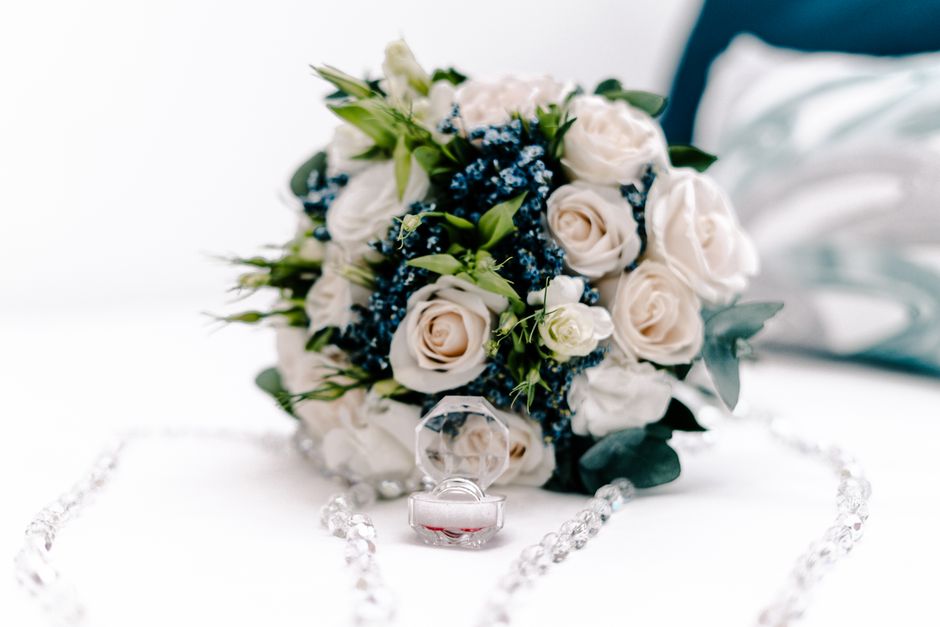
A couple planning a late-summer ceremony wanted a bouquet that felt soft and romantic without looking too formal. The bride's dress was simple, with a clean neckline, and the venue had warm indoor lighting with a bright entrance area for photographs. Instead of building the design around one oversized statement bloom, the bouquet was kept balanced and airy, with a clear centre, gentle texture, and enough colour variation to read well in pictures.
The useful lesson was not just the final look. It was the planning logic behind it:
- The bouquet shape stayed comfortable for a long ceremony and easy movement between rooms.
- The colour palette worked with the dress rather than competing with it.
- The bridesmaid flowers echoed the same tone but were slightly simpler.
- The bouquet held up through arrival, ceremony, and portraits because the timing and handling were planned properly.
That last part is where many bouquets succeed or fail. You can have beautiful flowers and still lose the effect if they arrive too early, sit too warm, or are handled by too many people. A good florist plans for the real sequence of the day, not just the handover photo.
Another real-world lesson: when the bouquet has to look good both in a mirror and in camera flash, subtlety usually wins. A bouquet that is a little calmer in person often reads more refined in photos. Bit of a hidden trick, that.
Practical Checklist
Use this checklist before confirming your wedding bouquet order:
- Have you chosen the overall wedding style and mood?
- Does the bouquet suit the dress neckline, fabric, and silhouette?
- Have you checked that the colour palette works in daylight and indoor lighting?
- Are the flowers suitable for the time of year and likely travel conditions?
- Have you planned matching or coordinating bridesmaid bouquets and buttonholes?
- Do you know when the bouquet will be delivered and who will receive it?
- Have you reviewed care instructions for the bouquet once it arrives?
- Have you discussed any substitutions in case a flower is unavailable?
- Does the bouquet fit the budget without forcing compromises elsewhere?
- Have you read the florist's policies on delivery, refunds, and guarantees?
If you can tick most of those off, you are in good shape. If not, pause and tidy up the loose ends before the order is final. That small reset can save a lot of wedding-morning chaos.
Expert summary: the best bouquet is the one that looks beautiful, feels comfortable, and survives the practical realities of the day without fuss.
Get a free quote today and see how much you can save.
Conclusion
The real value of Greenford wedding bouquet case study insider lessons is that it takes flower choice out of the guessing game. You are not just picking colours and hoping for the best. You are thinking about the dress, the venue, the lighting, the timing, the supporting flowers, and the way the bouquet needs to behave throughout the day.
That approach leads to better decisions, calmer mornings, and photos that feel coordinated rather than accidental. It also helps you spend where it matters most. Truth be told, that is often the difference between a bouquet that is merely nice and one that feels genuinely right for the wedding.
If you are planning your own flowers now, trust the process, keep it practical, and do not be afraid to simplify. A thoughtful bouquet has a quiet kind of power. It does not shout. It just belongs.
Frequently Asked Questions
What does Greenford wedding bouquet case study insider lessons actually mean?
It means learning from a real-world bouquet planning example in Greenford, then using those insights to make better wedding flower decisions. The focus is on practical lessons, not just style inspiration.
How early should I plan my wedding bouquet?
Ideally, you should start discussing bouquet ideas several weeks or even months before the wedding, especially if you want a specific style or seasonal flowers. Early planning gives you more flexibility and less pressure.
What flowers work best for a bridal bouquet?
It depends on the season, the look you want, and how long the flowers need to last during the day. A good florist can suggest blooms that suit your dress, venue, and handling needs.
Should my bouquet match the bridesmaid bouquets exactly?
Not exactly. It is usually better if they coordinate in colour and style without looking identical. That keeps the bridal bouquet special while still making the whole wedding feel cohesive.
How do I choose the right bouquet size?
Look at your height, dress shape, and how formal the ceremony is. A bouquet should feel balanced in your hands and should not dominate the outfit or feel too small in photos.
Are seasonal flowers better for wedding bouquets?
Often yes, because seasonal flowers tend to be fresher, more suitable for the time of year, and sometimes better value. They can also feel more natural in the overall design.
What should I ask a florist before ordering?
Ask about flower availability, delivery timing, care instructions, substitutions, and policies on refunds or guarantees. Clear answers are a good sign that the order will be handled properly.
Can I order wedding flowers with short notice in Greenford?
Sometimes, yes, but options may be more limited. For shorter timelines, it is wise to focus on reliable styles and trust a florist who can suggest flowers that are available and practical.
How do I keep my bouquet fresh on the wedding day?
Keep it cool, handle it gently, and make sure it is delivered at the right time. Avoid direct heat, direct sunlight, and unnecessary moving around once it has arrived.
What is the biggest mistake couples make with wedding bouquets?
The biggest mistake is choosing a bouquet purely for looks without thinking about comfort, timing, or how it works with the rest of the wedding styling. Beauty matters, but function matters too.
Do I need buttonholes and table flowers to match the bouquet?
They do not need to match exactly, but they should feel related. Using similar colours, textures, or flower families helps the whole wedding feel deliberate and polished.
Where can I find more flower options if I want to compare styles?
You can compare wedding-focused ranges, everyday bouquets, and colour-led collections to narrow down your preferences. Starting with broad categories often makes the final decision much easier.